
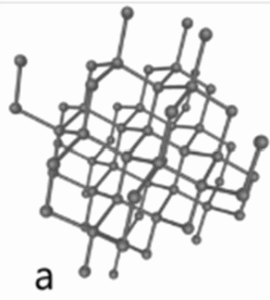
Diamond has a cubic crystal lattice structure. This uniform arrangement forms an extremely strong three-dimensional network. This special structure gives diamond the highest natural hardness, along with its transparency and brilliant light dispersion.
Graphite
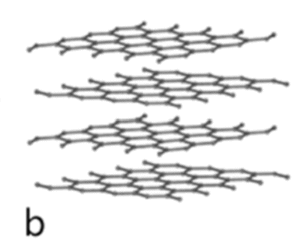
Graphite is essentially composed of countless thin “carbon sheets” stacked on top of each other like pages of a book. Within each sheet, the carbon atoms are tightly bonded, but the layers are only loosely held together. As a result, graphite has a soft structure and conducts electricity, making it suitable for use as pencil lead, electrode cores, and various other applications.
Graphene
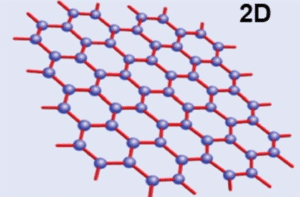
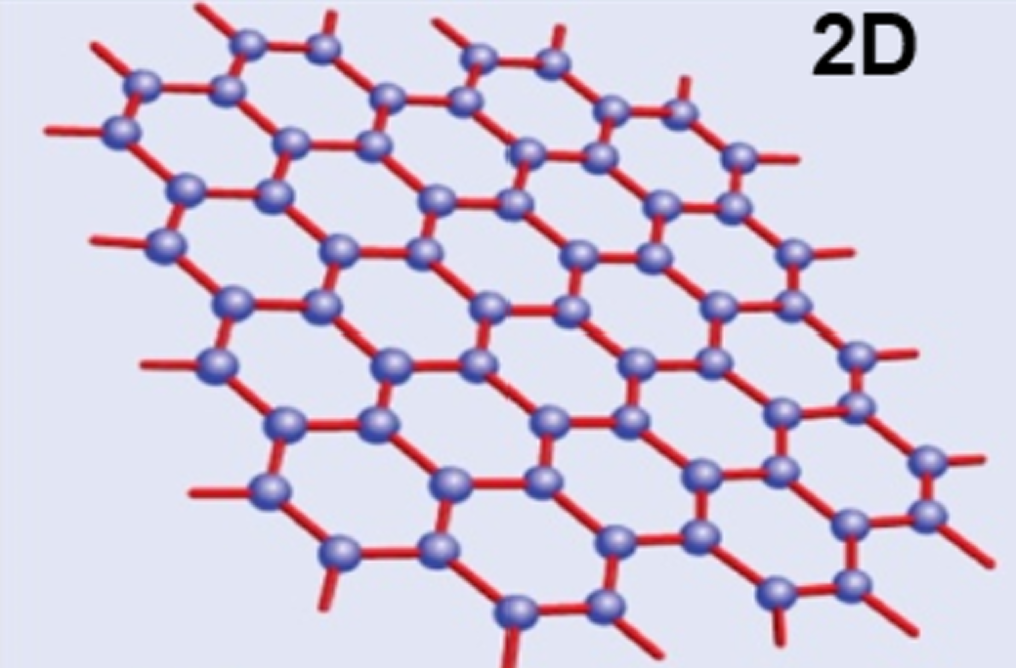
Graphene is an ultra-thin layer of carbon, only one atom thick, arranged like a honeycomb lattice. Although it is nearly transparent, it is more than 200 times stronger than steel, an excellent conductor of electricity and heat, yet remains flexible and lightweight. Thanks to these properties, graphene is considered a “super material” with many potential applications in concrete, electrochemical batteries, plastics, textiles, and biomedical fields.
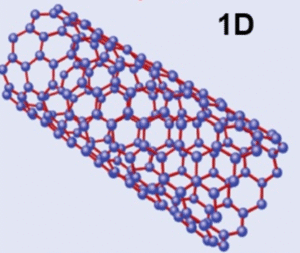
Carbon Nanotube