

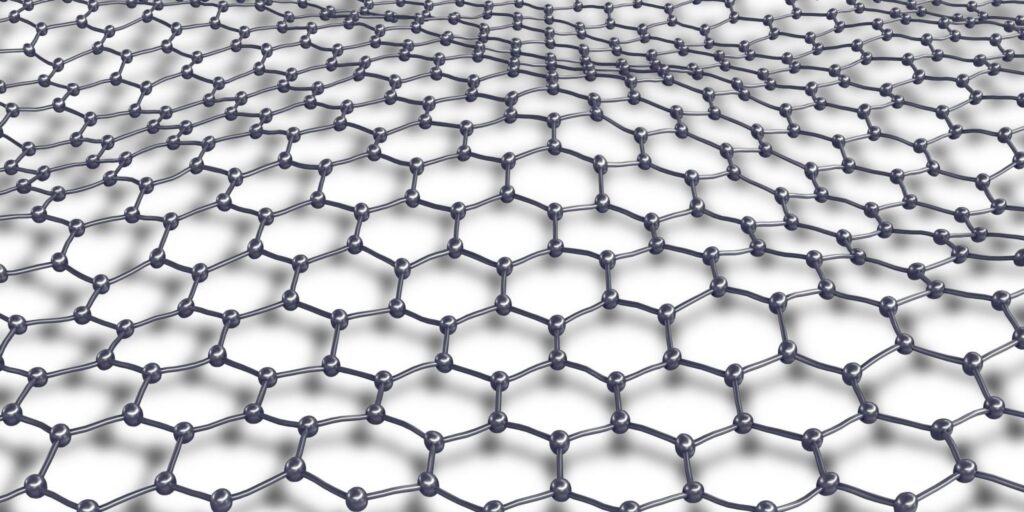
Graphene, a single-atom-thick sheet of carbon atoms arranged in a hexagonal lattice, is redefining the limits of material performance across many sectors. Among its most transformative applications are in construction and composite materials, where graphene’s extraordinary mechanical, thermal, and chemical properties significantly enhance durability, strength, and sustainability.
As the construction industry seeks to build smarter, greener, and longer-lasting structures, graphene-based materials offer innovative solutions that go beyond traditional limits. This article explores how graphene is being used in building materials and composites, the benefits it brings, and what the future holds.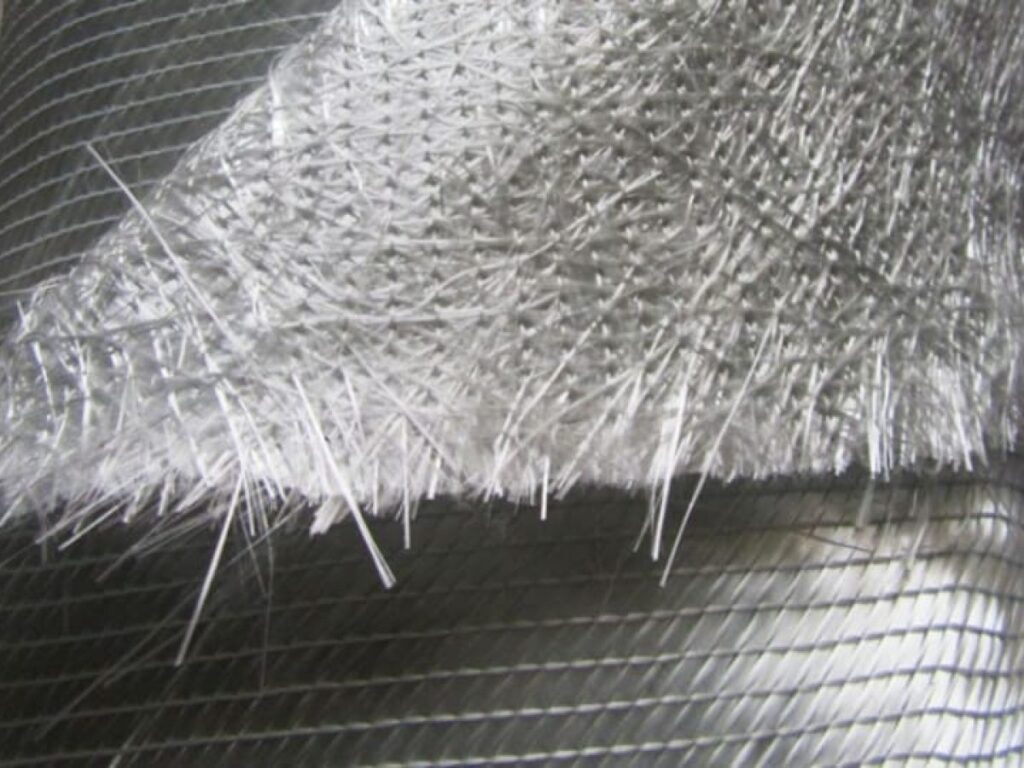
Why Graphene Matters in Construction
Traditional construction materials like concrete, asphalt, and steel have well-known limitations: they crack over time, degrade under environmental stress, and require frequent maintenance. Graphene introduces a new way to overcome these challenges.
Key Benefits of Graphene in Construction:
-
✅ Increased strength without added weight
-
✅ Improved crack resistance and durability
-
✅ Enhanced thermal and electrical conductivity
-
✅ Water resistance and anti-corrosion properties
-
✅ Reduced carbon footprint and material usage
1. Graphene in Concrete and Cement
Concrete is the most used building material on Earth—but it’s also responsible for up to 8% of global CO₂ emissions. Incorporating graphene can dramatically improve concrete performance while reducing its environmental impact.
How it works:
-
Nano-reinforcement: Graphene oxide (GO) or reduced graphene oxide (rGO) interacts with cement at the nanoscale, filling micro-pores and improving hydration.
-
Crack resistance: Graphene strengthens the concrete matrix, reducing shrinkage and micro-cracks.
-
Lower cement content: Because graphene-enhanced concrete is stronger, less cement is required—reducing CO₂ emissions.
Real-world result:
Graphene-enhanced concrete has been shown to:
-
Increase compressive strength by up to 50%
-
Extend the service life of structures
-
Improve water and chemical resistance
2. Graphene in Asphalt and Road Materials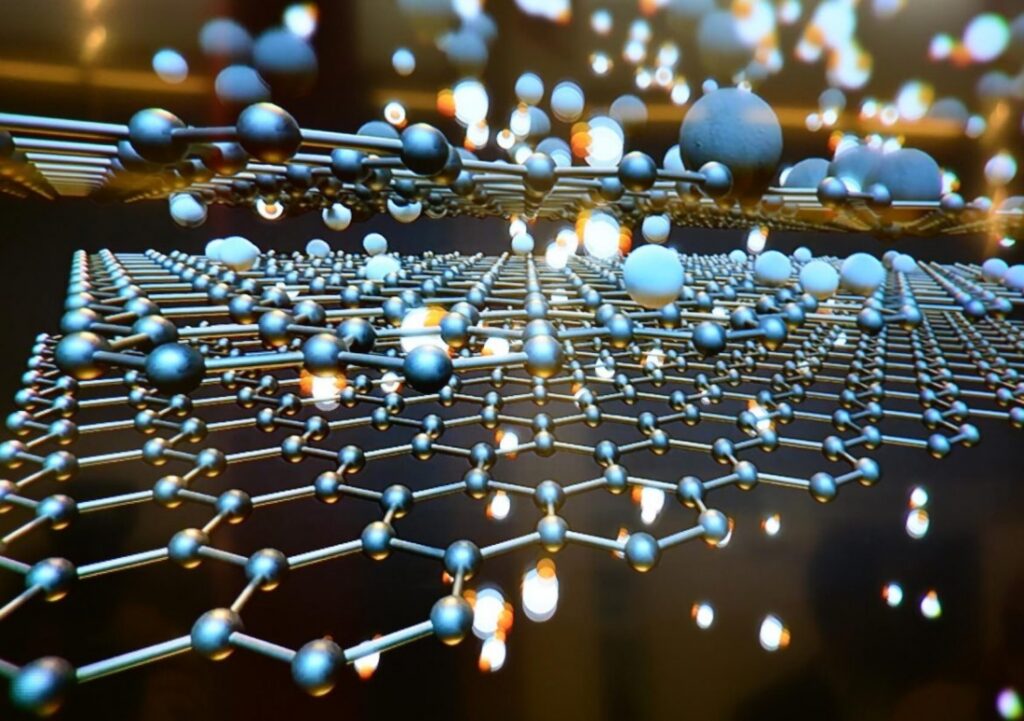
Graphene is also being explored in asphalt to create more resilient, long-lasting road surfaces.
Benefits:
-
Greater resistance to heat, UV exposure, and heavy loads
-
Reduced cracking, rutting, and pothole formation
-
Improved lifespan of pavements—lowering maintenance costs
Graphene-modified asphalt can be especially beneficial in areas with extreme climates or high traffic volumes.
3. Graphene in Composite Materials
Composite materials combine two or more materials to produce a product with superior properties. Graphene serves as a high-performance additive in polymers, fibers, and resins used in:
-
Construction panels and coatings
-
Pipes and insulation systems
-
Infrastructure components like bridges and columns
Why use graphene in composites?
-
Mechanical reinforcement: Increased tensile and flexural strength
-
Thermal conductivity: Helps manage temperature in structural components
-
Anti-corrosion properties: Ideal for harsh or marine environments
-
Lightweight: Reduces load without compromising structural integrity
4. Graphene in Paints, Coatings & Sealants
Graphene can be incorporated into surface treatments to provide long-lasting protection:
-
Anti-corrosion coatings: For steel, concrete, and infrastructure exposed to moisture or chemicals
-
Fire-resistant paints: Thanks to graphene’s high thermal stability
-
Waterproof membranes: Used in basements, rooftops, and tunnels
These coatings not only protect but also enhance the performance of base materials.
Sustainability Impact
The construction industry is under increasing pressure to reduce its environmental footprint. Graphene contributes to sustainability goals in several ways:
-
Durability = Fewer Repairs: Longer-lasting materials reduce the need for frequent repairs and replacements.
-
Resource Efficiency: Higher strength allows for thinner or lighter structures, conserving raw materials.
-
Carbon Reduction: Less cement, less energy used in processing, and fewer emissions.
Challenges in Adoption
Despite its potential, graphene’s use in construction still faces a few challenges:
-
Cost: Although prices are decreasing, high-purity graphene remains more expensive than traditional additives.
-
Scaling Up: Consistent large-scale production is still being optimized.
Case Studies & Real-World Use
Several projects worldwide have already begun implementing graphene in construction:
-
The University of Manchester developed graphene-enhanced concrete in real-world projects.
-
Italy and the UK have trialed graphene-asphalt roads with promising results in durability.
-
Vietnam Graphene Global (VGG) is working on supplying Graphene Oxide and rGO for domestic use in construction-grade concrete and composites.
Future Outlook
The next few years will likely see rapid growth in graphene-based construction materials as costs fall and awareness grows. Areas of strong potential include:
-
Smart cities: Integrating graphene-enhanced materials into infrastructure that is stronger, lighter, and smarter.
-
Precast structures: Using graphene-reinforced elements in modular construction.
-
Green buildings: Lower energy use and carbon footprints through better insulation and longer-lasting materials.
Conclusion
Graphene represents a breakthrough in construction material science, offering both performance and sustainability benefits. From longer-lasting roads and bridges to more efficient and eco-friendly buildings, graphene-infused materials are poised to become a standard in the future of construction.
As research continues and industrial-scale production improves, the integration of graphene into construction and composites is no longer just a theoretical idea—it’s a fast-approaching reality.
