

Graphene, often dubbed a “wonder material,” has revolutionized the way scientists and engineers think about material science. Thanks to its exceptional electrical conductivity, high surface area, and mechanical strength, graphene has shown tremendous potential in enhancing the performance of batteries and energy storage devices. As the world transitions to cleaner energy systems and more efficient portable electronics, graphene is emerging as a key enabler for next-generation energy technologies.
In this article, we explore how graphene is being applied in batteries and energy storage, the advantages it brings, current developments, and the challenges that still remain.
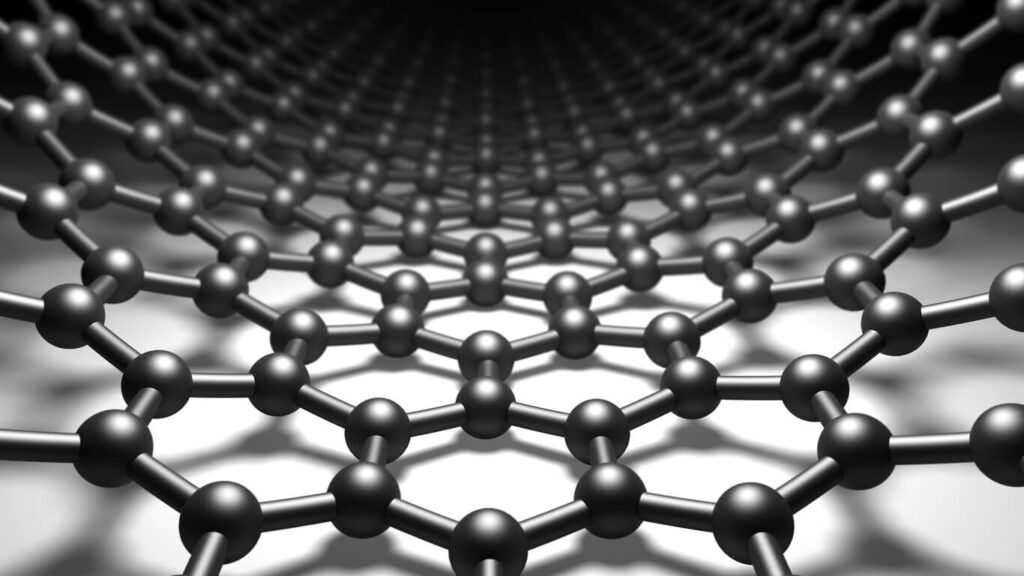
Why Graphene is Ideal for Energy Storage
Graphene’s atomic structure gives it several properties that make it particularly suitable for energy storage applications:
-
High Electrical Conductivity: Enables faster charge and discharge cycles.
-
Large Surface Area: Provides more space for energy storage reactions to occur.
-
Mechanical Strength and Flexibility: Increases durability and structural stability of electrodes.
-
Lightweight: Helps create lighter batteries without sacrificing performance.
-
Chemical Stability: Improves the safety and lifetime of devices under various conditions.
These characteristics make graphene a valuable material for both batteries and supercapacitors, two pillars of modern energy storage systems.
Graphene in Lithium-Ion Batteries (Li-ion)

Lithium-ion batteries power everything from smartphones to electric vehicles (EVs). However, traditional Li-ion batteries face limitations in energy density, charging speed, and longevity. Graphene can address these challenges in the following ways:
1. Improved Electrodes
Graphene can be used to enhance both anode and cathode materials:
-
Graphene-Anode Composites: Graphene is often combined with silicon or other materials to increase the capacity of the anode while preventing volume expansion that leads to degradation.
-
Graphene-Coated Cathodes: Improve electron flow and thermal stability, reducing the risk of overheating.
2. Faster Charging
Thanks to its high electrical conductivity, graphene facilitates faster movement of electrons and ions, allowing batteries to charge significantly quicker than conventional ones.
3. Extended Lifespan
Graphene materials are more resistant to structural degradation over repeated charge cycles, leading to longer battery life.
Graphene in Solid-State Batteries
Solid-state batteries are considered the future of energy storage due to their safety and higher energy density. However, they require efficient solid-state electrolytes.
Graphene can be incorporated into:
-
Solid Electrolytes: Enhancing ionic conductivity and mechanical strength.
-
Composite Structures: Providing pathways for both electrons and ions while maintaining stability.
Graphene in Supercapacitors
Supercapacitors offer rapid charge and discharge capabilities but traditionally lack the energy density of batteries. Graphene helps bridge this gap:
-
Graphene-Based Electrodes: Enable extremely fast charge cycles while storing more energy than typical carbon-based materials.
-
Hybrid Supercapacitors: Combine graphene with pseudocapacitive materials (like metal oxides) to enhance both power and energy density.
Applications include regenerative braking systems, backup power for data centers, and power boosts in electric vehicles.
Other Energy Storage Applications
• Graphene in Sodium-Ion Batteries
Sodium-ion batteries are an emerging low-cost alternative to Li-ion. Graphene helps improve conductivity and cycle stability in sodium-based systems.
• Graphene in Hydrogen Storage
Due to its high surface area and ability to trap gas molecules, graphene is also being studied for efficient hydrogen storage—vital for future fuel cell technologies.
Commercial Progress and Research
Many companies and research institutions worldwide are developing graphene-enhanced energy products:
-
Samsung, Tesla, and Huawei have shown interest in graphene batteries for smartphones and EVs.
-
Startups like Real Graphene are working on consumer-ready graphene battery solutions.
-
Universities and research labs globally are investigating scalable manufacturing methods and novel graphene composites.
In Vietnam, companies like Vietnam Graphene Global (VGG) are actively producing Graphene Oxide (GO) and reduced Graphene Oxide (rGO) for energy applications, collaborating with battery manufacturers and R&D partners.
Challenges Ahead
Despite its potential, graphene is not yet widely adopted in commercial batteries due to:
-
High Production Costs
-
Scalability Issues
-
Lack of Standardization
-
Integration Challenges with Existing Manufacturing Lines
However, rapid advances in production methods and growing market demand are helping address these barriers.
The Future of Energy with Graphene
As energy demands increase and the shift to renewable energy sources accelerates, graphene will play a crucial role in enabling efficient, reliable, and sustainable energy storage systems. Whether in electric vehicles, grid-level storage, or wearable electronics, graphene-powered batteries and capacitors offer faster performance, greater longevity, and reduced environmental impact.
With continued investment in R&D and industrial scaling, the future of graphene in energy storage is not just promising—it’s inevitable.
