

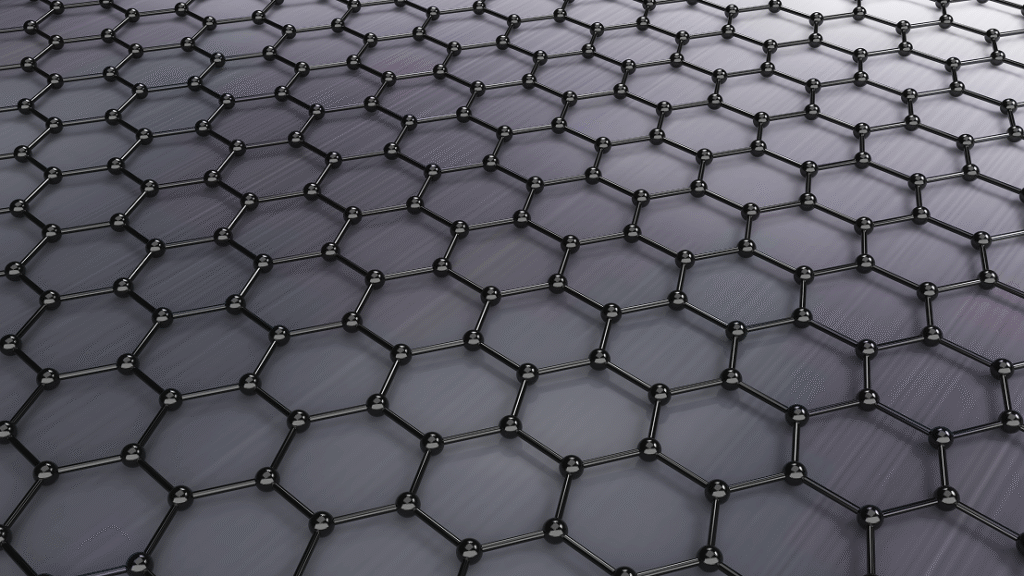
Graphene, often hailed as a “wonder material,” has garnered significant attention since its discovery due to its extraordinary physical and chemical properties. Composed of a single layer of carbon atoms arranged in a two-dimensional honeycomb lattice, graphene exhibits remarkable strength, flexibility, electrical conductivity, and thermal properties. These unique characteristics position graphene as a revolutionary material with the potential to transform multiple industries, especially electronics.
In this article, we explore how graphene impacts the electronics industry, the advancements it enables, current applications, challenges, and future prospects.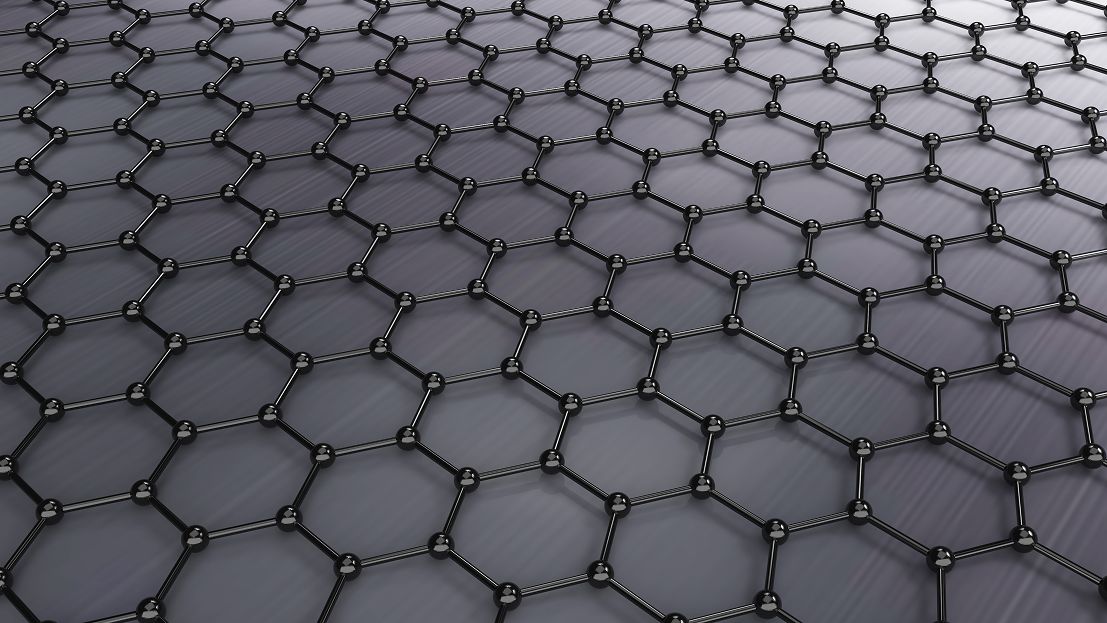
Exceptional Properties of Graphene Relevant to Electronics
Before delving into its applications, it is crucial to understand why graphene is so promising for electronics. The material possesses several key properties that are highly desirable in electronic components:
-
High Electrical Conductivity: Graphene exhibits an electron mobility up to 200,000 cm²/V·s at room temperature, far surpassing traditional semiconductor materials like silicon. This enables faster electron transport and high-speed electronic devices.
-
Superior Thermal Conductivity: With thermal conductivity around 5,000 W/m·K, graphene efficiently dissipates heat, addressing one of the major bottlenecks in electronics—thermal management.
-
Mechanical Strength and Flexibility: Graphene is approximately 100 times stronger than steel yet incredibly thin and flexible. This opens opportunities for flexible and wearable electronics.
-
Transparency: Graphene is nearly transparent, absorbing only about 2.3% of visible light, making it ideal for transparent conductive films in displays and touchscreens.
-
Chemical Stability: Its stability in various environments enhances durability in electronic devices.
Graphene Applications in Electronics

1. High-Speed Transistors and Semiconductors
Traditional silicon-based transistors face fundamental limits in speed and miniaturization. Graphene’s exceptional electron mobility paves the way for high-frequency transistors that can operate at terahertz frequencies, far exceeding the gigahertz range of silicon chips. These graphene transistors can lead to faster processors, improved signal processing, and enhanced telecommunications.
Although graphene lacks an intrinsic bandgap (which silicon possesses), researchers have developed strategies to induce a bandgap for switching purposes, such as graphene nanoribbons or bilayer graphene under an electric field. These advancements are critical for integrating graphene into logic devices.
2. Flexible and Wearable Electronics
The electronics industry is increasingly moving toward flexible, foldable, and wearable devices. Graphene’s mechanical flexibility combined with its electrical and thermal properties make it an ideal material for such applications. Graphene-based electrodes, sensors, and circuits can be embedded into textiles or bendable substrates, enabling smart clothing, health monitoring devices, and rollable displays.
3. Transparent Conductive Films for Displays and Touchscreens
Indium tin oxide (ITO) is currently the standard for transparent conductive films used in touchscreens, OLED displays, and solar cells. However, ITO is brittle, expensive, and scarce. Graphene offers a compelling alternative due to its transparency, conductivity, and flexibility. Several companies are developing graphene-based transparent electrodes that could replace ITO, leading to more durable and flexible electronic displays.
4. Energy Storage and Batteries
Graphene significantly impacts energy storage devices such as supercapacitors and lithium-ion batteries. Although not a direct electronic component, efficient energy storage is vital for portable electronics and electric vehicles. Graphene-enhanced electrodes improve charge capacity, reduce charging times, and increase battery lifespan, facilitating better performance in smartphones, laptops, and wearable tech.
5. Sensors and Photodetectors
Graphene’s high surface area and sensitivity to chemical and physical changes make it excellent for sensors. Graphene-based sensors can detect gases, biomolecules, temperature, and pressure with high precision and fast response times. In electronics, this translates to more accurate environmental monitoring, medical diagnostics, and integrated sensor networks.
Similarly, graphene photodetectors offer fast response and broad-spectrum sensitivity, which is beneficial in optical communications and imaging devices.
Challenges in Graphene Integration
Despite its potential, integrating graphene into mainstream electronics faces several challenges:
-
Production and Scalability: Producing high-quality, defect-free graphene at a commercial scale remains difficult and costly. Methods like chemical vapor deposition (CVD) have made progress, but scalability and consistency issues persist.
-
Lack of Bandgap: The zero bandgap of graphene complicates its use in digital logic circuits, which require on/off switching. Researchers continue exploring ways to engineer a bandgap without sacrificing mobility.
-
Integration with Existing Manufacturing: Incorporating graphene into existing silicon-based fabrication processes demands new techniques and equipment, increasing development complexity and cost.
-
Material Handling and Stability: Ensuring graphene’s stability and uniformity over time, especially under operational stresses, is critical for reliable electronic devices.
Future Prospects
The electronics industry continues to invest heavily in graphene research. As production techniques improve and challenges are overcome, graphene’s incorporation into commercial devices is expected to increase.
Potential future developments include:
-
Graphene-based integrated circuits: High-speed, low-power circuits that leverage graphene transistors could revolutionize computing.
-
Flexible and transparent electronics: Consumer products like foldable smartphones, rollable tablets, and wearable health monitors will benefit from graphene components.
-
Quantum computing: Graphene’s unique electronic properties may also find roles in emerging quantum computing technologies.
-
Energy-efficient electronics: Improved thermal management and energy storage via graphene will lead to longer-lasting, more efficient devices.
Conclusion
Graphene’s extraordinary electrical, thermal, mechanical, and optical properties make it a game-changer for the electronics industry. From enabling faster transistors and flexible devices to replacing scarce materials in displays and boosting energy storage, graphene is poised to revolutionize how electronic devices are designed and manufactured.
While challenges remain in large-scale production and integration, ongoing research and technological advances continue to bring graphene-based electronics closer to commercial reality. As these barriers are overcome, the electronics industry is set to enter a new era of innovation powered by graphene.
